

[TAP HERE TO VIEW THE SPECIFICATIONS OF THIS ENGINE]
Selecting the correct fire protection system is one of the most important safety decisions for any facility. Many industries compare an electric fire pump with an Industrial Diesel Fire Pump to determine which option provides the highest level of reliability during emergencies. Understanding how an Industrial Diesel Fire Pump differs from an electric alternative helps buyers choose equipment that protects lives, assets, and operations.
Fire pumps are the core of every firefighting system. When a fire breaks out, the system must perform without failure. That is why the choice between an electric pump and an Industrial Diesel Fire Pump depends heavily on power reliability, site risk level, and safety regulations.
What Is an Industrial Diesel Fire Pump?
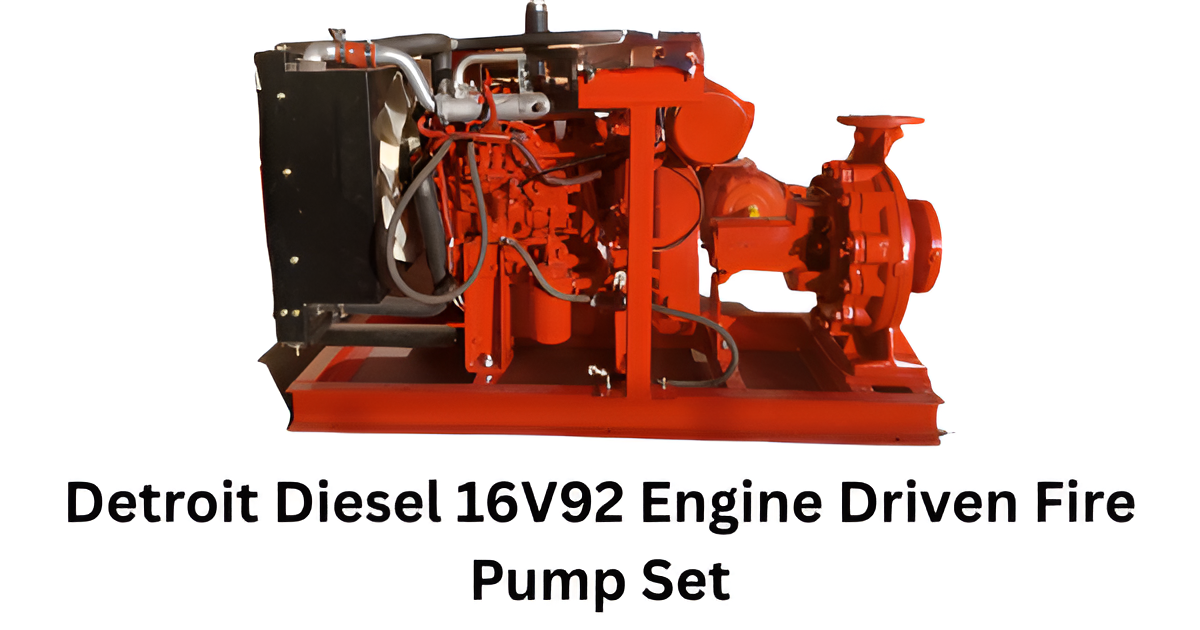
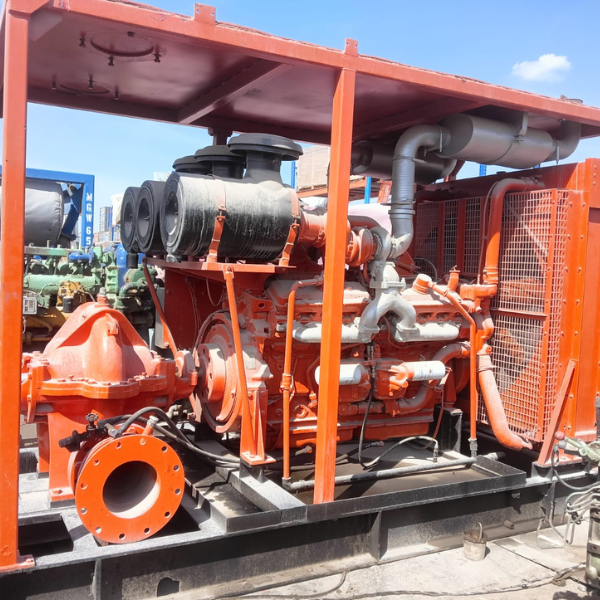
An Industrial Diesel Fire Pump is powered by a diesel engine instead of electricity. This means the Diesel Fire Pump can operate independently of the facility’s main power supply. In high-risk industrial environments, an Diesel Fire Pump is often preferred because it continues running even during total electrical failure.
An Industrial Diesel Fire Pump is commonly installed in refineries, marine ports, oil terminals, power plants, and heavy manufacturing units where emergency readiness is critical. Because an Industrial Diesel Fire Pump does not rely on the grid, it provides a dependable solution when other systems may shut down.
What Is an Electric Fire Pump?
An electric fire pump uses an electric motor connected to the building’s power infrastructure. While electric pumps are efficient, they depend on stable electrical systems. In contrast, an Industrial Diesel Fire Pump functions even when power lines, transformers, or control systems are damaged during a fire.
Electric pumps are typically found in commercial buildings or industrial facilities with highly reliable power and backup generators. However, many engineers still install an Diesel Fire Pump as a secondary line of defense.
Reliability Comparison
Reliability is the biggest reason buyers choose an Industrial Diesel Fire Pump. During large fires, electrical systems often fail due to heat, damage, or grid shutdown. An Diesel Fire Pump continues operating because it has its own power source.
Electric pumps may stop if backup generators fail or fuel systems are not maintained. That is why sites with high asset value frequently install an Diesel Fire Pump as either a primary or backup firefighting unit.
Where an Industrial Diesel Fire Pump Is the Better Choice
An Industrial Diesel Fire Pump is usually recommended when:
- The facility is in a remote or unstable power region
- Operations involve flammable materials
- Fire risk is high and downtime is unacceptable
- Safety regulations require independent emergency equipment
Oil and gas sites, marine terminals, and refineries rely heavily on an Diesel Fire Pump because fire incidents in these locations can escalate rapidly.
When Electric Pumps Are Suitable
Electric pumps can be effective in controlled environments with stable infrastructure. Still, engineers often pair them with an Industrial Diesel Fire Pump to ensure redundancy. If electricity fails, the Diesel Fire Pump automatically supports the system.
Why Many Facilities Use Both
Modern fire protection strategies often include an electric unit for daily readiness and an Industrial Diesel Fire Pump for emergency backup. This layered approach ensures that if one system fails, the Diesel Fire Pump maintains firefighting capability.
Maintenance Considerations
An Industrial Diesel Fire Pump requires engine servicing, fuel checks, and periodic testing. While this adds maintenance tasks, it ensures the Diesel Fire Pump is ready for real emergencies. Electric pumps have fewer mechanical components, but they still depend on electrical reliability which an Diesel Fire Pump does not.
Final Decision
The decision between electric and diesel comes down to risk tolerance. If fire safety cannot depend solely on electrical systems, an Industrial Diesel Fire Pump becomes essential. Facilities that handle hazardous materials or critical operations benefit most from installing an Diesel Fire Pump as part of their fire protection system.
Conclusion
Both pump types have their place, but in high-risk industrial settings, an Industrial Diesel Fire Pump provides unmatched operational independence. Choosing the right system ensures continuous protection, regulatory compliance, and reduced operational risk.
If you are evaluating fire protection solutions, understanding the role of an Industrial Diesel Fire Pump can help you make a safer and more reliable investment decision.
Follow Us On Our Socials For Regular Updates:-
- LINKEDIN:- [TAP HERE TO VIEW]
- YOUTUBE CHANNEL:- [TAP HERE TO VIEW]


Add comment