

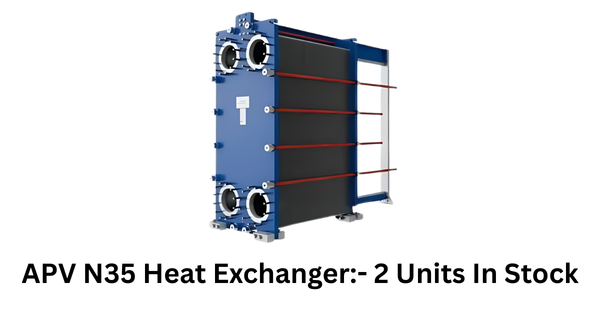
Efficient temperature control is essential in modern industrial operations. Whether in manufacturing plants, marine systems, food processing facilities, or power generation units, reliable cooling plays a critical role in maintaining productivity and equipment life.
An industrial plate heat exchanger for cooling system applications is one of the most efficient and compact solutions for transferring heat and maintaining stable operating temperatures.
In this article, we explain the key features, major benefits, and real-world applications of industrial plate heat exchangers used in cooling systems.
What Is an Industrial Plate Heat Exchanger for Cooling System?
An industrial plate heat exchanger is a highly efficient heat transfer device that uses multiple thin metal plates to transfer heat between two fluids. These fluids flow through alternate channels between the plates without mixing, allowing rapid heat exchange.
In cooling systems, plate heat exchangers remove excess heat from process fluids, machinery, lubricating oil, or water circuits — helping maintain optimal operating temperatures and prevent overheating.
Because of their compact design and large heat transfer surface area, plate heat exchangers are widely preferred over traditional cooling equipment in many industries.
Key Features of Industrial Plate Heat Exchangers
1. High Heat Transfer Efficiency
Corrugated plates create turbulence in the fluid flow, improving heat transfer performance and allowing faster cooling.
2. Compact and Space-Saving Design
Compared to conventional heat exchangers, plate heat exchangers provide large heat transfer capacity within a smaller footprint — ideal for industrial environments where space is limited.
3. Modular Construction
Many units can be expanded by adding plates, making them adaptable to changing cooling demands.
4. Easy Maintenance and Cleaning
Plate heat exchangers can be opened for inspection and cleaning, reducing maintenance downtime and operational costs.
5. Low Energy Consumption
Efficient heat transfer reduces the energy required to maintain process temperatures.
6. Versatile Material Options
Available in stainless steel, titanium, and other corrosion-resistant materials for demanding industrial environments.
Benefits of Using an Industrial Plate Heat Exchanger for Cooling System
1. Improved Cooling Efficiency
Rapid heat transfer ensures stable process temperatures and prevents equipment overheating.
2. Reduced Operating Costs
Lower energy usage and minimal maintenance requirements lead to long-term cost savings.
3. Increased Equipment Life
Effective temperature control reduces thermal stress on machinery, extending operational lifespan.
4. Flexible System Integration
Plate heat exchangers can be easily integrated into new or existing cooling systems.
5. Environmentally Friendly Operation
Efficient thermal performance reduces energy waste and supports sustainable industrial operations.
Applications of Industrial Plate Heat Exchangers in Cooling Systems
Industrial plate heat exchangers are widely used across multiple sectors where precise temperature control is required.
1. Manufacturing Plants
Cooling hydraulic systems, process fluids, and machinery components.
2. Marine and Shipboard Systems
Engine cooling, lubricating oil cooling, and central cooling systems.
3. Food and Beverage Processing
Temperature control during processing and production.
4. Power Generation Facilities
Cooling turbine systems, generators, and auxiliary equipment.
5. Chemical and Process Industries
Maintaining stable reaction temperatures and process control.
6. HVAC and District Cooling
Heat transfer in large-scale cooling and climate control systems.
Common Types of Industrial Plate Heat Exchangers Used in Cooling
- Gasketed plate heat exchangers
- Brazed plate heat exchangers
- Welded plate heat exchangers
- Semi-welded plate heat exchangers
Each type is designed for specific pressure, temperature, and fluid requirements.
Why Industries Prefer Plate Heat Exchangers Over Conventional Cooling Equipment
Compared with shell-and-tube heat exchangers, plate heat exchangers provide:
- Higher heat transfer efficiency
- Lower installation space requirements
- Easier maintenance
- Reduced operating costs
- Greater design flexibility
These advantages make them ideal for modern industrial cooling systems.
Reliable Industrial Plate Heat Exchangers Available for Immediate Supply
High-quality plate heat exchangers from trusted manufacturers such as APV are widely used in demanding industrial cooling applications due to their durability, efficiency, and proven performance.
If you are looking for reliable industrial cooling equipment, selecting the right plate heat exchanger ensures long-term efficiency and operational stability.
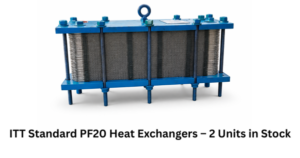
Industrial Plate Heat Exchanger Available in Our Inventory
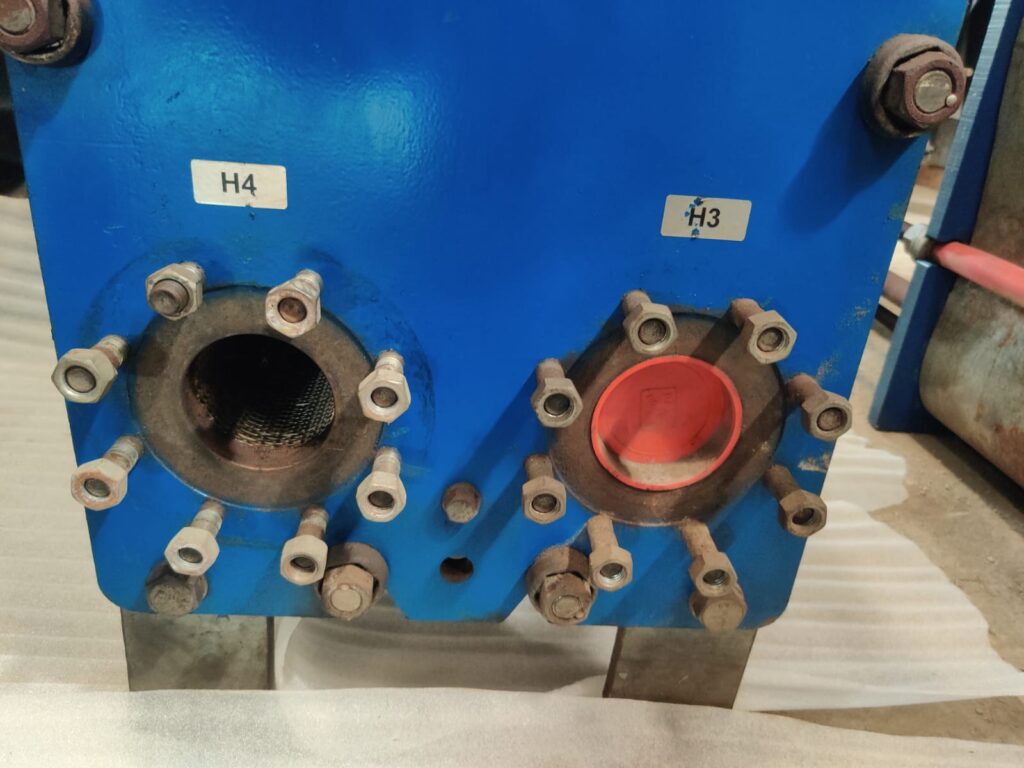
If you are currently planning to upgrade, replace, or install a cooling system, we have industrial plate heat exchangers available in ready stock for immediate supply.
Our available units are manufactured by trusted global brands such as APV and are suitable for demanding industrial cooling applications, offering high efficiency, durability, and reliable performance.
- Immediate availability
- Genuine industrial equipment
- Suitable for cooling system applications
- Inspection and technical details available on request
View complete product specifications, photos, and availability here:
[Visit Product Page]
(For detailed technical information, please refer to the product link provided.)
Conclusion
An industrial plate heat exchanger for cooling system applications is a highly efficient, space-saving, and cost-effective solution for managing industrial temperatures. With superior heat transfer performance, easy maintenance, and wide application across industries, plate heat exchangers are an essential component of modern cooling infrastructure.
Choosing the right unit based on capacity, pressure rating, and operating conditions ensures reliable performance and long equipment life.
Follow Us On Our Socials For Regular Updates :-
- Youtube :- [TAP HERE TO VIEW]
- LinkdIn:- [TAP HERE TO VIEW]

Add comment